
blog
Replica Watch Price & Quality Guide for UK Buyers
Jun
People searching for cheap replica watches in the UK are usually trying to answer one practical question: what actually changes as the price rises? A lower price is not automatically poor value, and a higher price is not automatically better. The useful comparison is between the components, movement, finishing, quality-control information and long-term ownership factors that sit behind the price.
This guide is deliberately different from a sales page. It does not rank products by the biggest marketing label or assume that “AAA”, “Swiss” or “super clone” means the same thing across every seller. Instead, it explains how to compare price and quality in a repeatable way. If you want to see the products currently available, you can browse current replica watches in the UK and then use the framework below to decide which specifications are worth paying for.
Price Is a Signal, Not a Quality Grade
Replica watch pricing is influenced by more than one variable. Two watches that look similar in a thumbnail can use different movements, crystals, bracelets, dial components or finishing processes. They can also come from different production batches. That is why a price comparison should begin with the specification rather than with the headline grade.
For a UK buyer, the clearest way to compare value is to ask five questions: what movement is fitted, what material and crystal are used, how well the case and bracelet are executed, whether the watch matches the intended reference, and what evidence is available for the current version. Those questions reveal far more than an isolated “cheap”, “AAA” or “super clone” label.
What Usually Changes as the Price Increases?
1. Movement Choice
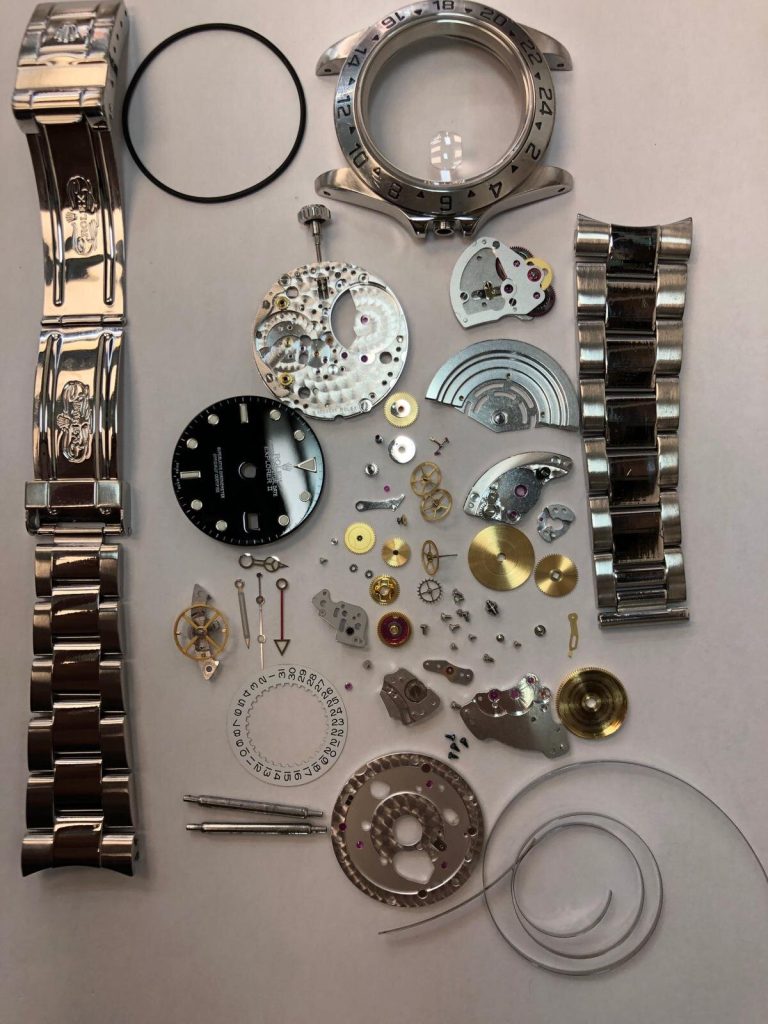
Movement is often one of the largest cost differences. Lower-priced watches may use simpler automatic movements chosen for availability and ease of replacement. Higher-priced versions may use clone movements that reproduce more of the layout or functions associated with a particular reference.
That does not mean the more complicated movement is always the better ownership decision. A movement should be judged by function, reliability, parts availability and whether a competent watchmaker can realistically service it. A simpler movement that can be maintained may offer better value than a more visually accurate movement with limited parts support.
2. Crystal and Date Presentation
Crystal quality becomes especially important on watches with a date magnifier. A clearer crystal, better-positioned magnifier and more consistent date presentation can make a noticeable difference during normal wear. On a no-date model, crystal clarity still matters, but there are fewer variables to inspect.
3. Case, Bezel and Dial Execution
Price can also reflect the amount of attention given to case shape, lug geometry, crown guards, bezel insert, marker alignment and dial printing. These are areas where small differences can become visible once the watch is compared against the correct reference. A higher price is only justified when those improvements are actually present in the watch being offered.
4. Bracelet and Clasp
Bracelet quality is easy to underestimate because it receives less attention in product thumbnails. In daily use, however, end-link fit, link articulation, clasp operation, adjustment range and sharp edges can have a major effect on comfort. A watch with a strong dial but a poor bracelet may feel cheaper on the wrist than its specification suggests.
5. Quality-Control Information
Better value is not only about better parts. It is also about receiving enough information to judge the current watch. Straight-on photographs, useful side profiles, clear product specifications and realistic descriptions are more valuable than dramatic marketing images that conceal alignment or proportions.
A Practical Three-Level Value Framework
| Price / Quality Level | What to Prioritise | What to Verify | Who It May Suit |
|---|---|---|---|
| Lower-priced | Basic reliability, clear dial, comfortable fit | Movement type, case size, bracelet condition, obvious alignment | Buyers who want a straightforward daily watch and do not need maximum reference detail |
| Mid-range | Better finishing, crystal and bracelet | Reference-specific details, date display, bezel, clasp and movement version | Buyers looking for the strongest balance between cost and visible improvement |
| Higher-grade | More complete reference execution and movement detail | Whether the extra cost is visible in components, proportions, function or QC | Buyers who care about finer details and are willing to inspect the individual version carefully |
This is not a universal grading table. It is a buying framework. Sellers use different labels, and factories can change components between production batches. The same grade name may therefore describe watches with different technical specifications.
Why “Cheap” Should Mean Better Value, Not the Lowest Possible Price
The word “cheap” is often interpreted as “lowest price”. That is usually the wrong way to judge a mechanical watch. A better definition is the lowest price that still gives you the functions, construction and support you actually need.
For example, there is little value in paying extra for a complex clone movement if your priority is a reliable daily watch and local service access. Equally, there is little value in choosing the cheapest option if the bracelet is uncomfortable, the date is visibly misaligned or the movement cannot perform the functions you expected.
That is why the best cheap replica watches are not necessarily the least expensive listings. They are the versions where the price is supported by a clear specification and the features that matter to the buyer.
Reference Complexity Changes the Value Equation
A simple three-hand watch and a chronograph should not be evaluated in exactly the same way. More functions create more areas that need to be executed correctly.
- Submariner-style watches: focus on bezel alignment, case proportions, bracelet fit and, on date models, the crystal and date display.
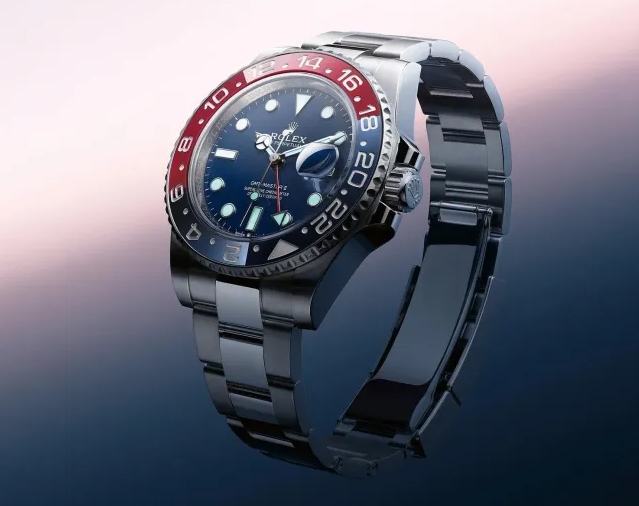
- GMT-style watches: add the 24-hour hand, bezel colour transition and GMT operation to the checklist.
- Daytona-style chronographs: inspect case thickness, subdial layout, pusher operation and chronograph reset behaviour.
- Datejust-style watches: pay close attention to bezel finish, date presentation, bracelet comfort and dial-marker alignment.
This is why comparing two watches only by price can be misleading. A simpler reference may deliver a stronger result at a lower cost because there are fewer functions and components to reproduce.
Movement Value: What Are You Paying For?
Movement descriptions deserve particular care because they often carry a large part of the marketing language. Instead of asking whether one movement is “better” in the abstract, ask what you are paying for.
- Function: does the movement provide the functions shown on the dial?
- Reliability: is the movement known to operate consistently when correctly assembled?
- Serviceability: can parts or a replacement movement be sourced if required?
- Reference accuracy: does the movement architecture matter to you, or will you never see it?
- Cost: is the movement upgrade responsible for a meaningful part of the price difference?
If the answer to the fourth question is “not really”, a simpler movement may offer better value. Ownership should come before specification-sheet prestige.
A 60-Second Quality Check Before You Compare Prices
| Check | What to Look For | Why It Matters |
|---|---|---|
| Reference | Correct model, size and configuration | Prevents comparing different watches as though they were equivalent |
| Movement | Exact movement fitted to the current version | Influences function, servicing and price |
| Dial | Marker alignment and readable printing | Visible every time the watch is worn |
| Bezel | Alignment, insert finish and operation | A major visual and functional component on sports models |
| Crystal / date | Clarity, magnification and date centring | Small errors can be very noticeable |
| Bracelet | End-link gaps, articulation, clasp and adjustment | Directly affects comfort and perceived quality |
| Seller information | Current photos, realistic claims and clear policies | Helps you evaluate the actual purchase rather than a generic promise |
Do Not Forget the Cost of Ownership
The purchase price is only one part of value. Mechanical watches may eventually need regulation, maintenance, replacement seals, bracelet work or movement service. A version that costs a little more but uses a movement that can be maintained locally may be better value than a cheaper watch that becomes disposable when something fails.
Water resistance should also be treated realistically. Appearance alone does not prove water resistance. If you plan to swim with a mechanical watch, have the individual watch pressure-tested rather than relying on a generic product claim.
UK Buying Factors Beyond the Watch Itself
Price and product quality are only part of the decision. Before ordering, UK buyers should also confirm the current processing time, tracked delivery estimate, return conditions and support process. These details can change, so use the current FAQ and Returns & Refunds pages rather than relying on an older article or screenshot.
When a Lower-Priced Watch Makes Sense
- You want a straightforward automatic watch for casual wear.
- You care more about overall appearance than movement architecture.
- You prefer a simple reference with fewer complications.
- You have confirmed the movement is serviceable or replaceable.
- The watch passes the visible alignment and bracelet checks that matter to you.
When Paying More Can Be Justified
- The higher-priced version has a clearly better crystal or date presentation.
- The case and bracelet proportions are visibly more convincing.
- The movement provides functions you genuinely use.
- The current batch has better documented QC or more consistent execution.
- The additional cost improves daily comfort, servicing or long-term ownership.
The important word is clearly. If the seller cannot explain what has improved, a higher price alone is not evidence of higher quality.
A Better Way to Compare Replica Watch Value
Instead of asking “What is the cheapest watch?”, use this sequence:
- Choose the model or reference you actually want.
- Compare the current movement and material specification.
- Check the details that are visible during normal wear.
- Review bracelet comfort and serviceability.
- Read the current delivery and return information.
- Only then compare the price.
This order turns price into the final decision factor rather than the first. It also makes it easier to see when a cheaper version is genuinely good value and when a higher-grade build earns its extra cost.
Frequently Asked Questions
Are cheap replica watches always lower quality?
No. Price and quality are related, but not perfectly. A simpler watch with a reliable movement can offer better value than a more expensive version with features you do not need. Compare the actual specification and the individual watch.
Does AAA describe a fixed quality level?
No. AAA is a commercial description, not an independent certification. Different sellers can use the same label for watches with different components and movements.
Is a clone movement worth paying more for?
Sometimes. It depends on the reference, the functions you want and whether the movement can be serviced. Movement architecture should be weighed against reliability and parts availability.
What should I compare first on a product page?
Start with the reference, case size, movement, crystal, bracelet and current photographs. Those details are more useful than a general quality label.
Final Takeaway
A useful replica watch price guide should make it easier to understand why one watch costs more than another. The best value is not automatically the cheapest listing or the most expensive version. It is the watch whose movement, materials, visible execution, comfort and support match what you actually need.
Use price as the final comparison after the specification is clear. That approach is more reliable than buying from a grade name alone and gives UK buyers a better chance of choosing a watch that still feels like good value after the first week of ownership.
Editorial note: Brand and reference names are used for identification and comparison. SwissMade UK is independent and is not affiliated with or authorised by the original watch manufacturers.
